

Talking about money right after paying for a wedding can feel incredibly tense, but it is the absolute foundation of a stress-free trip. Sit down with your partner and agree on a specific dollar amount that you can spend without dipping into your emergency fund. We made the mistake of setting a loose budget on our first trip, which resulted in us overspending by nearly a thousand dollars on dinner and drinks alone.
To prevent this, you should establish a strict hard limit that covers every imaginable expense, from pet sitting at home to airport parking. Use an app like Copilot or a simple shared Google Sheet to track your savings progress in real time. Knowing your exact boundaries prevents the subtle anxiety that can ruin a romantic dinner when the bill arrives.
The Ultimate No-Fail Vacation Planning Tips for Financially Cautious Newlyweds
When my spouse and I started planning our first getaway, we realized that standard travel advice is geared toward trust fund kids or influencers. Implementing these no-fail vacation planning tips for financially cautious newlyweds is about making intentional choices rather than depriving yourselves of luxury. You can still stay at a gorgeous boutique hotel if you choose to travel during the shoulder season when prices drop by up to forty percent.
Shoulder season, the sweet spot between the chaotic peak summer season and the dead of winter, offers the best value for your money. You get shorter lines, quieter beaches, and significantly cheaper flights. We saved over eight hundred dollars on lodging in southern Europe by booking our trip for late September instead of July, and the weather was still warm enough for swimming.

Track and Optimize Your Hidden Travel Costs
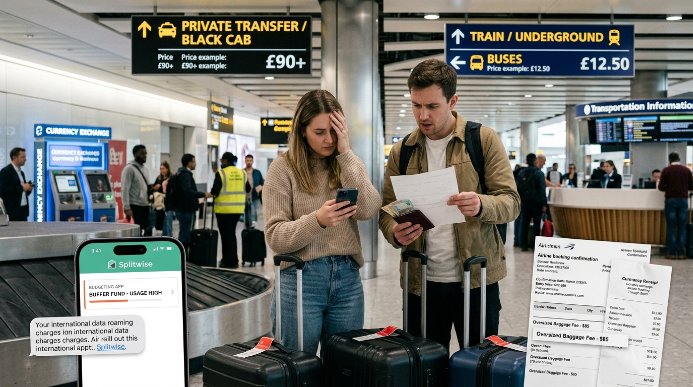
Sneaky expenses have a way of completely ruining a carefully planned trip before you even step off the airplane. Many couples remember to budget for flights and hotels but forget about baggage fees, airport transfers, international phone plans, and daily tipping. These small costs can easily add up to hundreds of dollars over a week-long vacation.
Make sure you build a generous buffer category directly into your daily vacation budget to absorb these unexpected micro-transactions. Download an app like Splitwise to keep track of who paid for what if you are still keeping your accounts separate. Taking the train from the airport instead of ordering an expensive rideshare can also save you enough money to cover a nice lunch.
Leverage Travel Rewards Without Going into Debt
Playing the credit card points game can feel like a full-time job, but it pays off enormously when you do it safely. Financially smart couples use travel rewards credit cards to pay for everyday wedding expenses and then cash in those points for free flights or hotel stays. The trick is to pay off the balance in full every single week so you never accrue a penny of interest.
Look for cards that offer generous sign-up bonuses and flexible travel partners, such as the Chase Sapphire Preferred or the Capital One Venture card. You can use these accumulated points to cover your long-haul flights, leaving you with more cash to spend on experiences. Utilizing these statement credits for dining or lounge access makes your travel day feel incredibly luxurious without costing you a dime.
Pick Value-Rich Destinations Instead of Trendy Hotspots
Social media feeds constantly push the same five overcrowded, wildly overpriced tropical islands and European cities. Applying these no-fail vacation planning tips for financially cautious newlyweds means resisting the pressure to show off on Instagram and opting for incredible alternative destinations instead. You will find that lesser-known spots often provide a much richer, more authentic cultural experience for a fraction of the cost.
Swap a costly trip to Amalfi for the stunning, rugged coastline of Albania or Portugal’s silver coast. If you are craving a tropical beach, look past Maui and consider the laid-back surf towns of Puerto Escondido in Mexico. These places offer world-class dining and beautiful accommodations at prices that do not require a second mortgage.

Automate Your Honeymoon Savings Fund
Waiting to save whatever money is left over at the end of the month rarely works out. Instead, you should treat your vacation fund like a recurring bill that must be paid. Set up an automatic transfer from your checking account to a dedicated savings bucket every single time you get paid.
Keep this money in a high-yield savings account so it can earn interest while you plan your trip. Online banks like Ally or Wealthfront offer fantastic interest rates compared to traditional brick-and-mortar banks. Watching your vacation fund grow automatically week by week builds massive excitement without causing daily financial stress.
Frequently Asked Questions
How do we talk about trip budgets without arguing?
Pick a neutral time to talk, preferably over a nice meal at home when neither of you is stressed about work. Frame the conversation around shared experiences and what matters most to you both, whether that is fine dining, adventure activities, or a luxury hotel stay.
Is an all-inclusive resort actually cheaper for budget-conscious couples?
All-inclusive resorts can be highly cost-effective if you plan to stay on the property, drink alcohol, and eat most of your meals there. However, if you prefer exploring local towns, trying different restaurants, and taking day trips, you will likely end up paying double for your food and entertainment.
How far in advance should we book flights to get the best deal?
Aim to book domestic flights one to three months in advance, and international flights two to eight months before departure. Use free tracking tools like Google Flights or Hopper to monitor price trends and set up alerts so you can buy when fares drop to their lowest point.
What is the best way to use no-fail vacation planning tips for financially cautious newlyweds without feeling restricted?
Focus your spending on the one or two aspects of travel that you both care about most. If you are foodies, save money by booking a modest Airbnb and spend your savings on incredible dinners. Prioritizing your passions prevents the trip from feeling cheap or restrictive.

Conclusion
Planning a romantic getaway together should be an exciting milestone rather than a source of financial tension. By setting clear boundaries, choosing smart destinations, and tracking the hidden costs, you can build beautiful memories without sacrificing your financial future. Which of these travel strategies are you going to use to plan your next couple’s adventure?