

When you blend two households, everyone shows up with different spending habits and different opinions about what a trip should cost. The fix that finally worked for us was one master vacation fund that every adult contributes to monthly.
We set up a separate savings account and gave it a fun name so it did not feel like another bill. Watching it grow got the kids excited too. A shared pot removes the awkward money arguments before they even start, and it means nobody feels like they got stuck covering more than their share when the trip is over.
2. Use a Shared App the Whole Family Can See
Nobody wants to be the person nagging four other adults about receipts. A shared budgeting app fixes that fast, since everyone sees the same numbers in real time.
We use Honeydue because it lets multiple people log expenses and set category limits without linking every private account. YNAB works great too if your family likes more structure. The point is transparency. When my stepkids’ mom can see the same food budget I can, there is zero confusion, no side conversations about who spent what, and nobody feels blindsided by the final total.

3. Book a Rental With a Kitchen, Not Five Hotel Rooms
Booking multiple hotel rooms for a big group is how vacations quietly drain your account. A single large rental almost always costs less and keeps everyone under one roof.
We book through Vrbo or Airbnb and filter for a full kitchen and enough beds so nobody ends up on the floor. Cooking even half your meals cuts the food bill dramatically. One house we rented had a game room, which kept seven kids busy for free while the adults actually finished a cup of coffee while it was still hot. That alone was worth the booking.
4. Give Each Kid Their Own Spending Envelope
Kids in a big family ask for souvenirs roughly every eleven seconds. Handing each one a set amount of spending money ends the constant begging and teaches them something genuinely useful.
We give every kid a labeled envelope with their trip cash on day one. Once it is gone, it is gone, and that rule is non negotiable. My youngest learned to compare prices after blowing his whole envelope on a giant lollipop the first afternoon. Painful lesson, cheap tuition, and he has never made that mistake again.

5. Travel Right After the Crowds Leave
Traveling the week after school starts feels almost illegal in the best way. Prices drop, crowds thin out, and the exact same trip suddenly costs hundreds less.
Flying midweek and skipping holiday peaks is one of the easiest wins for a big crew, since every saving multiplies across nine tickets. We took a beach trip in late September once and paid nearly half what June would have cost. The water was still warm, the pool was empty, and we practically had the whole boardwalk to ourselves.
6. Settle the Split Between Co-Parents First
Money gets complicated when there are extra parents in the picture, so settle it before anyone packs a bag. A clear split up front protects relationships and the budget at the same time.
We write down who covers what, flights, lodging, food, and activities, then confirm it in a group text so there is a record. Some families split evenly, others split by the number of kids each brings. There is no perfect formula. Just agree early and stick to it. Honest math up front keeps everyone friendly for the whole trip.
7. Build a Group Grocery Plan Before You Go
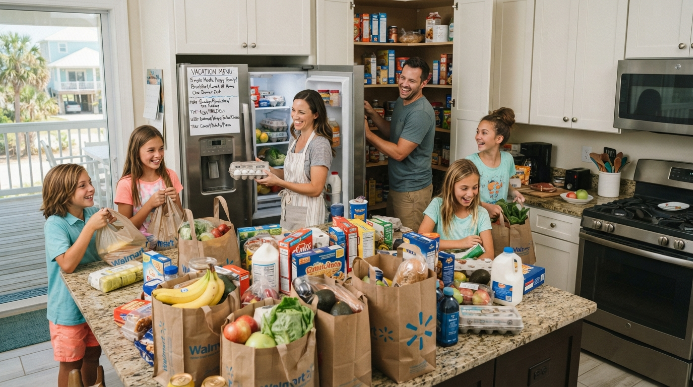
Feeding a small army on vacation adds up faster than any single activity or ticket. Planning meals before you leave stops the daily debate and the impulse spending that comes with a hungry group standing in a parking lot.
We build a simple menu, order groceries for pickup through Walmart or Instacart the morning we arrive, and stock the rental in one trip. Breakfast and lunch at the house, one dinner out. That single rule has saved us more money than any coupon ever has, and honestly the kids prefer eating in.
8. Track Every Expense the Day It Happens
The fastest way to blow a budget is telling yourself you will add it all up later. You never do, and the credit card statement turns into a genuine horror story by the time you get home.
Log every expense the day it happens, even the gas station snacks. We take turns being the daily tracker so the job never falls on one person. Seeing the running total keeps everyone honest and lets you adjust mid trip instead of panicking at the end. It feels a little tedious, but it works every single time.
9. Let Everyday Spending Cover the Trip
Every dollar you spend before the trip can quietly pay for part of it. Travel rewards cards turn groceries, gas, and school supplies into free flights and hotel nights without much effort.
We run our normal family spending through a Chase Sapphire card and pay it off in full every month, never carrying a balance. For a household that buys food in bulk, the points pile up shockingly fast. One year our rewards covered two full plane tickets. This only works if you treat the card like a debit card, so be honest with yourself first.
10. Say No to the Extras Nobody Remembers
Big families get upsold constantly, from resort photo packages to overpriced excursions nobody talks about a week later. Learning to skip the extras is where the real savings quietly live.
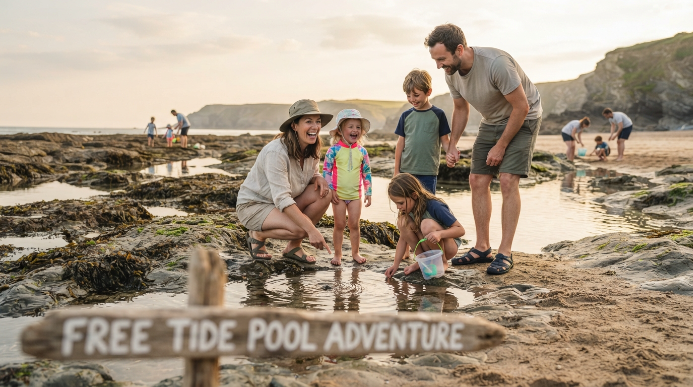
Before the trip we pick one or two paid experiences that actually matter and fill the rest with free stuff, beaches, parks, hikes, and local playgrounds. The kids honestly remember the free tide pool day more than any pricey attraction. Weigh whether the memory is truly worth the money, and let the answer be no more often than you would expect.
Frequently Asked Questions
How much should a large blended family budget per person for a trip?
There is no magic number, but plan for roughly 150 to 250 dollars per person per day including lodging, food, and activities. Big families get discounts on rentals and shared meals, so your per person cost usually drops the more people you bring. Track one practice month first to see your real spending.
What is the cheapest way to travel with a big blended family?
Rentals with a kitchen, off peak travel, and driving instead of flying are your three biggest savers. A single large house beats multiple hotel rooms almost every time. Cooking most of your meals and traveling midweek can easily cut a big trip cost by a third or more.
How do you split money fairly between co-parents on a shared trip?
Agree on the split before booking anything at all. Some families divide costs evenly, others go by how many kids each parent brings along. Put it in writing, even a quick group text counts. Clear expectations up front keep the trip fun and stop money from becoming the thing everyone remembers.
What are the best simple travel budgeting methods for large blended families with teens?
The best simple travel budgeting methods for large blended families with teens involve giving them ownership of their cash. Hand each teen a set spending amount and let them manage it themselves. They spend far smarter when it is their own money, and you skip the constant requests at every single gift shop.
How far in advance should we start saving for the trip?
Start at least six months out, and closer to a year for anything involving flights. Set up a small automatic monthly transfer into a dedicated account so you barely notice it leaving. Spreading the cost over time hurts way less than one giant charge, and you avoid financing a vacation on credit.
Conclusion
Big blended family trips will never be totally effortless, but they can absolutely be affordable when everyone follows the same money rules. Pick two or three of these habits, try them on your next trip, and tweak from there. What is the one budgeting trick your family swears by?