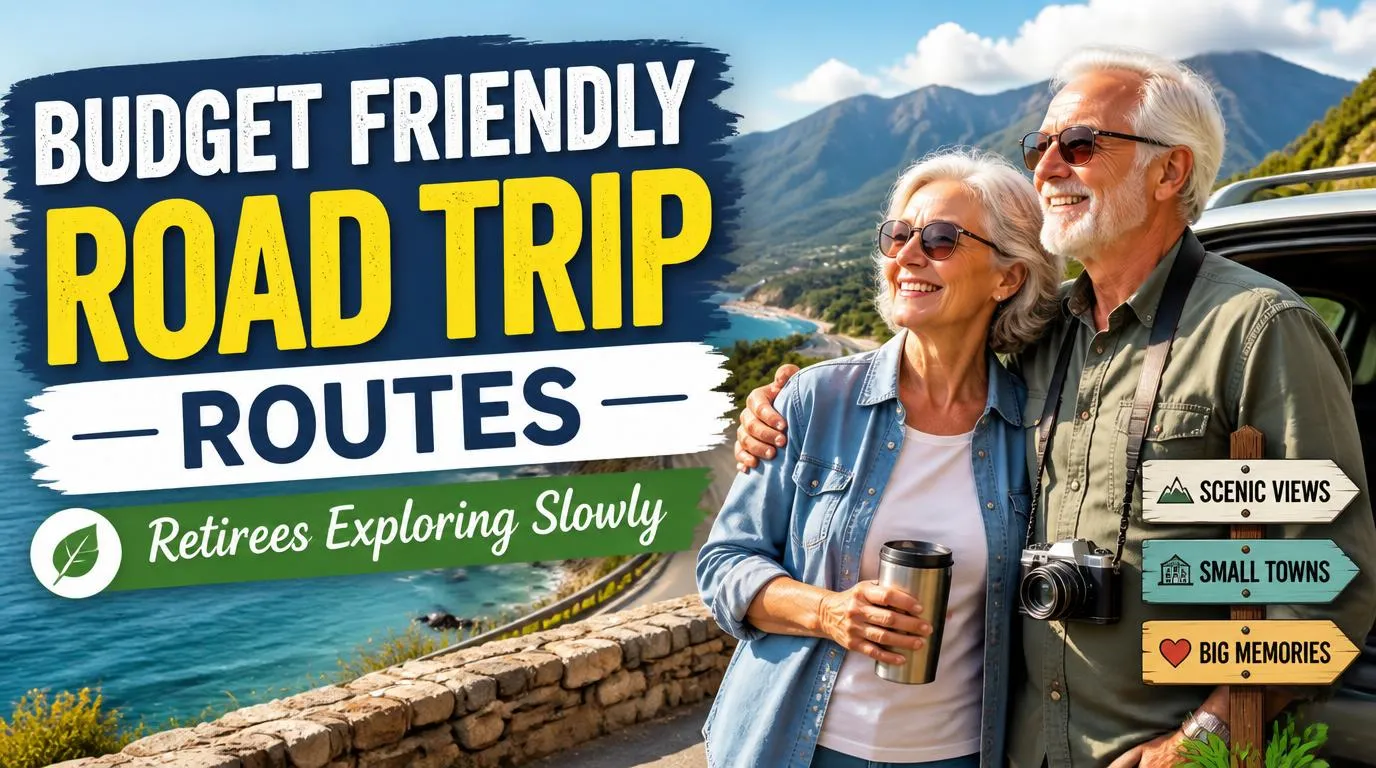
We finally found budget friendly road trip routes for retirees exploring slowly after years of rushing through crowded tourist traps. Morning coffee tastes better when you watch the sun rise over a quiet desert highway. You stop counting miles and start noticing small town diners, free state parks, and cheap campground loops. The open road does not demand a heavy wallet. It just asks for patience.
1. Natchez Trace Parkway: Budget Friendly Road Trip Routes for Retirees Exploring Slowly
This historic corridor stretches from Tennessee to Mississippi without a single stoplight or toll booth. You drive at a relaxed pace while pulling over for free waterfalls and Civil War markers.
We packed a cooler and camped at Rocky Springs for twelve dollars a night. The speed limit stays at fifty miles per hour, which forces you to actually look at the scenery. Gas stations sit far apart, so fill up in nearby towns before merging back onto the asphalt.
2. The Great River Road
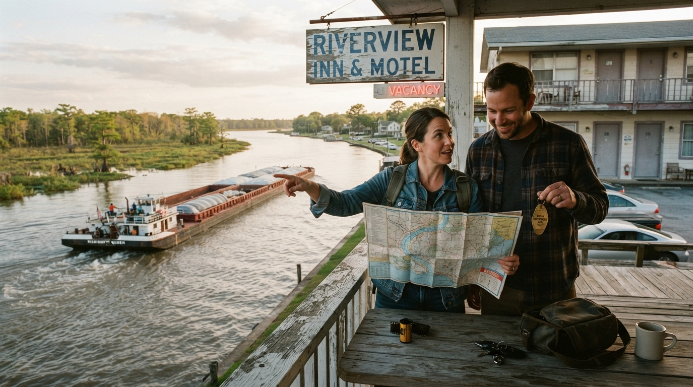
You follow the Mississippi from Minnesota down to Louisiana while watching barges cut through the water. Small river towns offer cheap motels and daily fish fries that easily beat restaurant prices.
We skipped the expensive hotels and booked rooms at local inns that still use actual keys. The route hugs the water so closely that you can hear the horns echo across the marsh. Bring a paper map because cell service drops near the bends.
3. The Blue Ridge Parkway
This mountain ribbon connects Virginia and North Carolina through endless forest overlooks and quiet hiking trails. You never pay a dime to drive it, and the picnic areas cost nothing either.
We pulled over at Mabry Mill to watch artisans grind corn the old way. The elevation changes keep summer temperatures mild, which saves you from running the air conditioner all day. Stock up on groceries in Boone before heading south.
4. The Outer Banks Scenic Byway
You cruise along North Carolina barrier islands while ferries carry your car across quiet sound waters. The route feels isolated, yet grocery stores and bait shops pop up exactly when you need them.
We parked near Cape Hatteras and walked the beach for hours without spending a cent. Free wild horse tours actually exist if you ask locals in Corolla about the right access roads. Fill your tanks in mainland towns to avoid island markup.
5. The Pacific Coast Highway
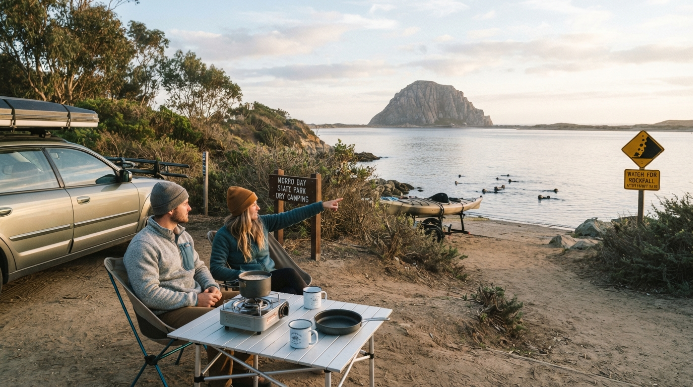
This famous stretch demands patience, but you can easily skip the pricey resorts and still catch legendary views. Public beach access points dot the entire shoreline, and state parks offer cheap dry camping.
We slept at Morro Bay State Park and woke up to otters playing near the kayak launch. You save serious money by cooking meals on a single burner stove instead of chasing seafood restaurants. Watch for rockfall signs after heavy rain.
6. The San Juan Skyway
You loop through Colorado mining towns while climbing passes that touch eleven thousand feet. The thin air forces you to drive slower, which naturally cuts fuel consumption and engine strain.
We grabbed cheap breakfast burritos in Durango before tackling the Million Dollar Highway. Free dispersed camping sits just off Forest Service roads near Silverton, though you need a sturdy leveling block. Carry extra water because mountain streams look clean but carry giardia.
7. The Flint Hills Scenic Byway
Kansas surprises people who expect flat cornfields, but this route cuts through rolling tallgrass prairies and limestone fences. You will find free county parks and honest diner prices that feel stuck in the seventies.
We stopped at the Tallgrass Prairie National Preserve and walked bison trails without paying an entrance fee. The wind blows constantly out here, so secure your awning before stepping away from the rig. Gas prices drop noticeably once you leave the interstate.
8. The Russell-Brasstown Scenic Byway
This short Georgia loop delivers mountain views that rival famous national parks without the crowded parking lots. You can easily stretch a forty mile drive into three full days of quiet exploration.
We hiked to Brasstown Bald using the free shuttle and ate lunch overlooking four different states. Local fruit stands sell peaches and boiled peanuts for pocket change during summer harvest season. Book a site at Vogel State Park months ahead.
9. The Lake Michigan Circle Tour
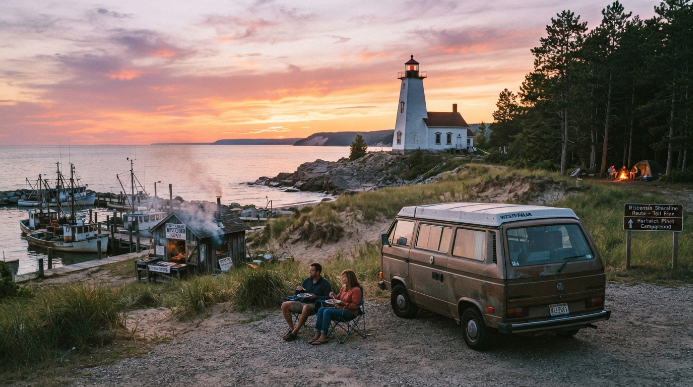
You trace the shoreline through Wisconsin, Michigan, and Illinois while passing lighthouses, dunes, and working fishing harbors. Free public launches double as sunset viewing spots, and county fairs offer cheap evening entertainment.
We camped at Hartwick Pines and listened to old growth timber creak in the evening breeze. The route avoids major toll roads entirely, which keeps your daily travel budget firmly in check. Buy fresh whitefish directly from dockside smokers.
10. The Turquoise Trail
This New Mexico backroad connects Santa Fe and Albuquerque through old mining camps and high desert art studios. You bypass interstate traffic while discovering free gallery walks and affordable green chile stew.
We wandered through Madrid and watched glassblowers work in converted coal shacks. The elevation sits around six thousand feet, which keeps summer nights cool enough for open window sleeping. Carry cash because several roadside vendors skip card readers.
11. The Cohutta Scenic Byway
You wind through north Georgia forests on a route that feels completely removed from modern highway stress. National forest land borders the asphalt, which means free pullouts and endless hiking options.
We parked near Jacks River and waded through shallow crossings that cooled our tired ankles. The road stays narrow and shaded, so you naturally drive slower and burn less fuel. Download offline maps before leaving Ellijay.
12. The Grand Mesa Scenic Byway
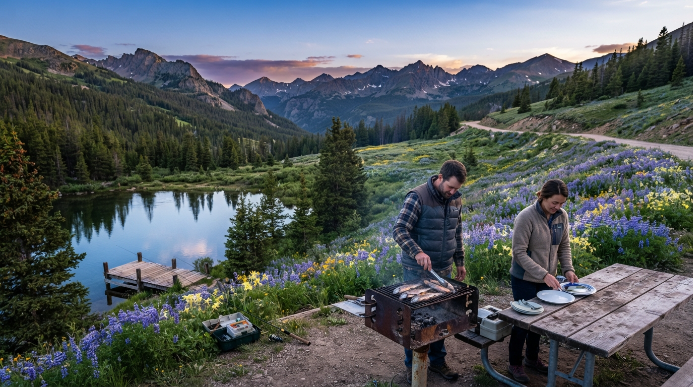
This Colorado climb tops out at ten thousand feet and passes hundreds of alpine lakes stocked with trout. You trade expensive resort towns for quiet forest service roads and cheap campground loops.
We fished off the dock at Island Lake and cooked our catch on a rusty park grill. The summer wildflower bloom turns entire hillsides purple, which makes free photography stops incredibly rewarding. Pack warm layers because temperatures drop fast after sunset.
13. The Old Canada Road Scenic Byway
You follow Route 201 through Maine wilderness while tracking the Kennebec River toward the Quebec border. Logging roads branch off constantly, offering free spots to park and watch moose at dawn.
We grabbed lobster rolls from a roadside shack in Solon that charged half the coastal price. The route stays completely free of chain restaurants, which forces you to support local family kitchens. Carry bear spray if you plan to wander past the trailheads.
14. The Creole Nature Trail
This Louisiana loop cuts through coastal marshes and wildlife refuges that feel more like a safari than a highway. You can easily spend a week birdwatching and crabbing without paying entrance fees.
We parked at Rutherford Beach and collected blue crabs using cheap wire traps from the hardware store. The flat terrain keeps your engine cool, and shade structures pop up regularly for free picnic breaks. Check tide charts before walking the jetties.
FAQs
How do I find cheap camping along these routes?
You can use apps like Campendium or iOverlander to locate free dispersed sites and low cost county parks. We always call the local ranger station ahead of time to verify road conditions and water availability. Public lands usually offer the best rates, and you can often stay up to fourteen days before moving.
What vehicle works best for budget friendly road trip routes for retirees exploring slowly?
A reliable midsize SUV or a small Class B camper handles these backroads perfectly. You want something that sips fuel and fits under low hanging tree branches. We switched from a heavy motorhome to a used Ford Transit and cut our gas bill in half immediately.
Should I book accommodations in advance or wing it?
Winging it works fine during shoulder seasons, but summer weekends fill up fast near popular overlooks. We usually reserve two nights ahead using Recreation.gov, then leave the rest of the week open for spontaneous detours. Flexibility saves money, but a guaranteed bed prevents panic.
How do I keep food costs down while traveling?
You should pack a quality cooler, a two burner propane stove, and a simple French press. We hit local farmers markets every Tuesday and Thursday to buy seasonal produce at dirt cheap prices. Cooking your own breakfast and lunch easily saves thirty dollars daily.
Conclusion
The best miles happen when you stop watching the clock and start watching the landscape change. You will save money, sleep better, and actually remember the towns you pass through. Which backroad calls to you first?