
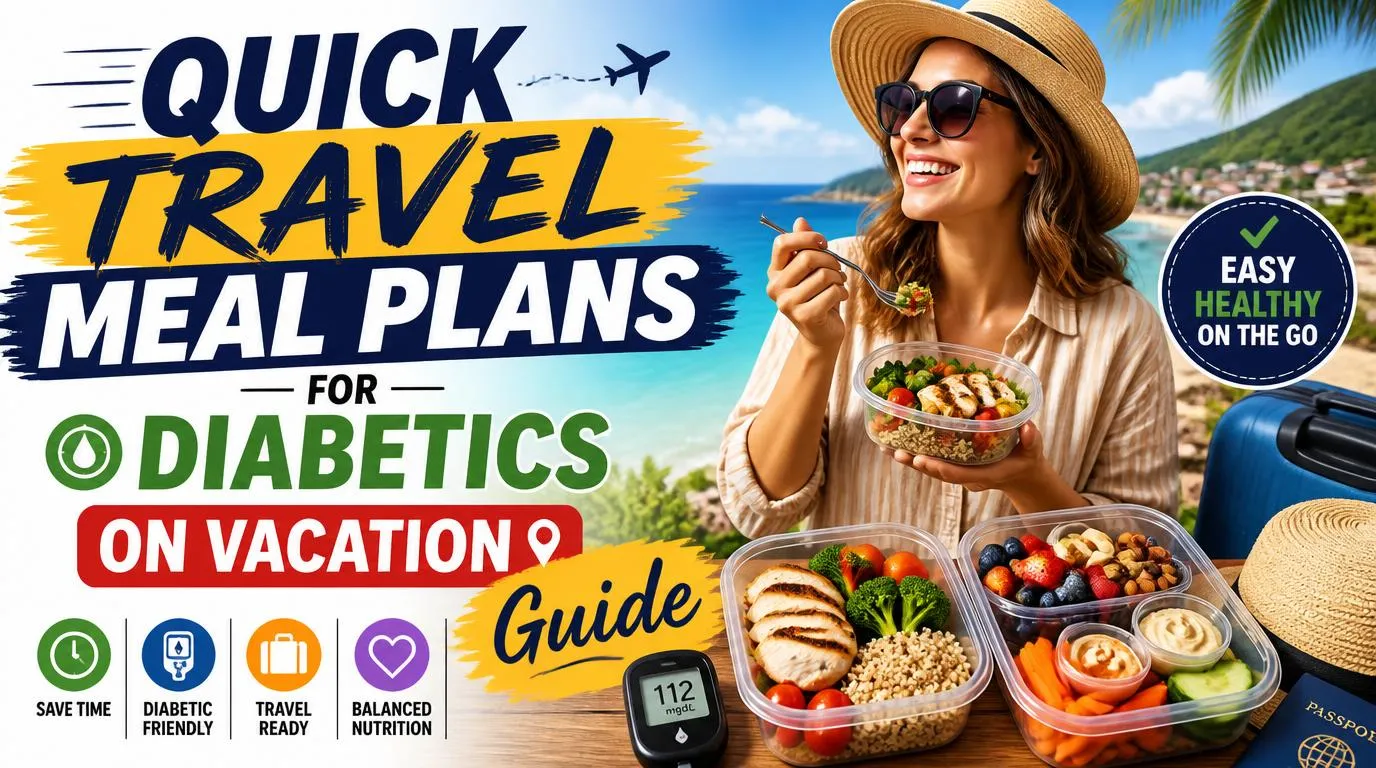
Relying on random airport kiosks or train station vending machines sets your blood sugar up for sudden spikes. Packing shelf-stable, low-glycemic foods before leaving home creates a dependable safety net when travel delays strike. Focus on items that handle temperature shifts without spoiling quickly.
Pack a dedicated zipper pouch with vacuum-sealed Wild Planet albino tuna packets, individual bags of raw almonds, and Chomps grass-fed beef sticks. These items provide high-density protein and healthy fats that stabilize your glucose levels for hours. Adding individual packets of chia seeds or unflavored collagen powder gives you easy dietary fiber and protein to stir into bottled water or unsweetened tea anywhere. Having this portable protein stash on hand means you never have to make desperate, high-carb food choices when hunger hits between transit stops.
Quick Travel Meal Plans for Diabetics on Vacation: The Airport Strategy
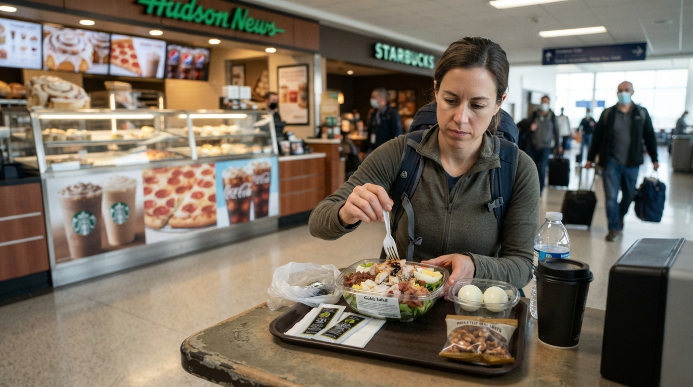
Terminal food courts often resemble giant sugar traps filled with oversized cinnamon rolls, pizza slices, and sugary smoothies. You can construct quick travel meal plans for diabetics on vacation right at standard terminal stores like Hudson News or Starbucks without wrecking your numbers.
Grab a pre-packaged Cobb or Caesar salad, throw away the sugary processed dressing, and ask for single-serve olive oil and balsamic vinegar packets instead. Pair two hard-boiled eggs with a handful of roasted walnuts to build a balanced, low-glycemic lunch in under two minutes. If you have time for a sit-down terminal diner, order a double bacon cheeseburger without the bun and substitute french fries for steamed vegetables or a side salad. This reliable glucose spike defense keeps your energy steady through long boarding lines and unexpected tarmac delays.
Assembling No-Cook Hotel Room Breakfasts in Five Minutes
Hotel breakfast buffets heavily favor cheap carbohydrates like waffles, sweet muffins, and sugary fruit juices. Making your own quick morning meal in your room avoids that early morning glucose spike and keeps you full until lunchtime.
Hit a nearby grocery store on your first evening to grab items for the week:
- Fage Total 5% plain Greek yogurt tubs
- Fresh organic blackberries or raspberries
- Shelled hemp hearts or raw pumpkin seeds
- Single-serve natural peanut butter packets
- Carton of unsweetened almond milk
Layer four spoonfuls of plain Greek yogurt with fresh berries and two tablespoons of hemp hearts for twenty grams of protein and minimal digestible carbs. For hotel rooms without a refrigerator, spread unsweetened almond butter over two high-fiber Wasa crispbread crackers. This room-based morning fuel requires zero cooking equipment, creates minimal mess, and gets you out the door fast to start sightseeing.
Conquering Convenience Stores and Roadside Rest Stops
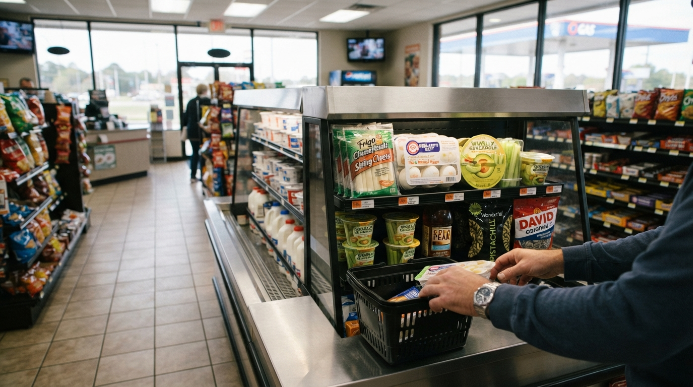
Road trips often funnel you into gas station minimarts where refined flour and processed sugar cover every shelf. You do not have to accept poor nutrition simply because highway options feel limited. Skip the snack aisles entirely and walk straight toward the perimeter refrigerated beverage and dairy coolers.
Look for string cheese, packaged hard-boiled eggs, unsweetened iced tea, and single-serve cups of guacamole paired with celery sticks. Pick up a bag of Wonderful roasted pistachios or David sunflower seeds to add healthy fats and crunch without spiking your blood sugar. Combining two mozzarella cheese sticks with a bag of sunflower seeds keeps your total net carbohydrates under eight grams. These simple, accessible food pairings turn roadside protein combos into dependable roadside meals that keep your energy levels steady for hours behind the wheel.
Handling Sit-Down Dining Out and Local Food Culture
Tasting authentic regional cuisine is one of the best parts of traveling, and diabetes should never force you into eating plain grilled chicken every single night. The secret to enjoying local menus lies in choosing protein-focused dishes and modifying starchy sides.
Order regional specialties that highlight fresh seafood, grilled meats, or braised vegetables, and ask your server to substitute potatoes or rice with extra green vegetables or a side salad. When you want to taste a famous local carbohydrate, eat your fibrous salad and protein first to slow down gastric emptying. Taking a leisurely fifteen-minute walk around the town square immediately after dinner also encourages your leg muscles to soak up circulating glucose. Practicing smart restaurant customization allows you to participate in local dining culture without suffering severe post-meal glucose spikes.
Building Emergency Low Kits for Excursions and Sightseeing
Walking tens of thousands of steps through museums, theme parks, or historic districts burns through muscular glycogen stores much faster than your everyday routine. Sudden physical activity combined with warm weather can cause unexpected hypoglycemia during daytime outings.
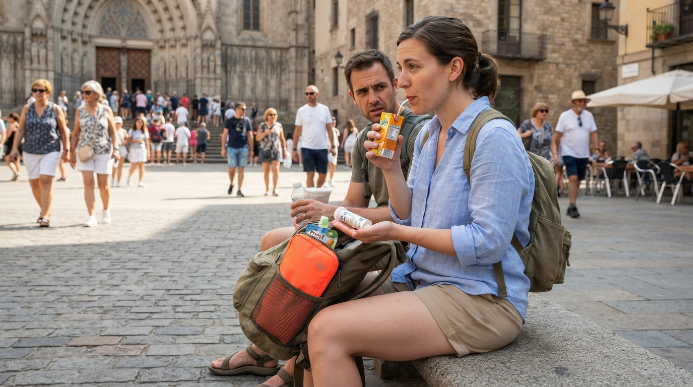
Always carry measured, rapid-acting glucose inside your daypack instead of hoping to find a candy shop during a blood sugar crash. Glucose tablets, small four-ounce juice boxes, and fruit snack pouches work best because they offer exact carbohydrate counts and will not melt in the sun. Store these items in a brightly colored, waterproof pouch so you or your travel companions can locate them instantly during an emergency. Maintaining rapid glucose management protocols gives you the confidence to explore remote trails or busy tourist areas safely.
Organizing Prep and Daily Timing on the Go
Unpredictable daily schedules on vacation disrupt normal insulin sensitivity and meal timing. Setting discrete alarms on your watch or phone reminds you to check your continuous glucose monitor and eat before severe hunger triggers poor food choices.
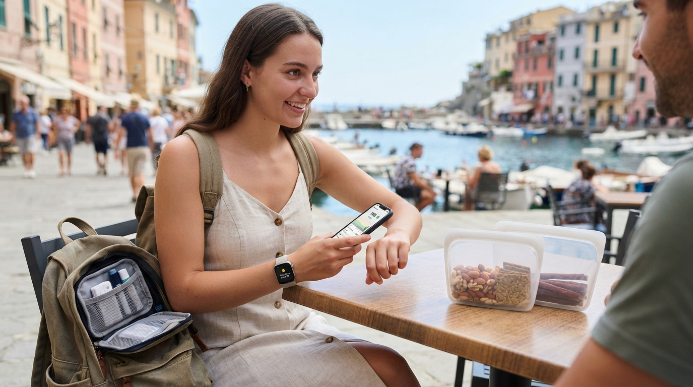
Prep your portable meals the evening before excursions using reusable silicone bags like Stasher pouches. Fill them with portioned nuts, beef sticks, and low-carb seed crackers so they are ready to drop into your backpack each morning. Having these quick travel meal plans for diabetics on vacation mapped out ahead of time frees your mind from constant meal logistics so you can enjoy your trip. IMO, staying proactive with simple prep work beats reacting to low blood sugar alarms every single time. Consistent proactive meal timing keeps your energy smooth and predictable throughout your entire itinerary.
Frequently Asked Questions
How do I store insulin and diabetic supplies while traveling in hot weather?
Use an insulated cooling case like a Frio pouch, which activates with cool tap water and protects medications without freezing them. Never store insulin in checked luggage or leave it in a hot rental car. Keep all medications, testing strips, and monitors in your personal carry-on bag at all times.
What are the best diabetic vacation meal prep ideas for theme parks?
Pack lightweight silicone pouches filled with turkey sticks, single-serve almond packs, roasted edamame, and zero-sugar electrolyte packets for your water bottle. Most theme parks permit outside food for medical conditions if you notify security at entry. This strategy sustains steady energy levels during hours of walking and standing in lines.
Can I still enjoy local desserts while managing my blood sugar on vacation?
You can enjoy small portions of regional treats by timing them strategically. Eat dessert immediately after a meal rich in fiber and protein rather than eating sugar on an empty stomach. Take a fifteen-minute walking tour afterward to help your muscles clear glucose naturally and minimize dramatic spikes.
How do flight delays affect quick travel meal plans for diabetics on vacation?
Unexpected flight delays disrupt normal eating intervals, so keep shelf-stable protein sources like tuna pouches and macadamia nuts inside your personal carry-on item. Drinking adequate plain water during extended gate waits also prevents acute insulin resistance triggered by pressurized cabin dehydration.
What should I order at fast-food drive-thrus when options are limited?
Select bunless double cheeseburgers, grilled chicken fillets, or breakfast egg platters without the accompanying pancakes or biscuits. Choose unsweetened iced tea or black coffee rather than fountain sodas. Many chains also provide side salads or apple slices as easy, low-carb alternatives to standard french fries.
Conclusion
Managing your blood sugar while seeing the world comes down to simple daily habits and packing the right snacks. When you prioritize protein, stay hydrated, and customize your restaurant orders, you can explore any destination with total confidence. What is your favorite go-to meal to pack when you head out on a trip?